Cover photo: Iurieph / Wikimedia Commons (cropped), CC0
The dish most closely tied to Rhodes is pitaroudia, crisp chickpea fritters with mint. Also look out for lakani, meat slow-cooked in a clay pot, giaprakia, vine leaves stuffed with coarse mince, and matsi, handmade pasta with cheese and butter. Finish with melekouni, the island's EU-protected honey and sesame sweet, and a glass of Rhodes wine or souma.
Rhodes has its own food culture, shaped by its villages, its long history and its position between the Aegean and the eastern Mediterranean. Alongside the Greek classics you know, you will find dishes you rarely see elsewhere: chickpea fritters, clay-pot meat, cumin-scented vine leaves and a honey sweet protected by EU law.
Here is what to eat and drink on Rhodes, with a little background on each dish, from a family that has welcomed guests in Lindos since 1989.
What is the most famous food in Rhodes?
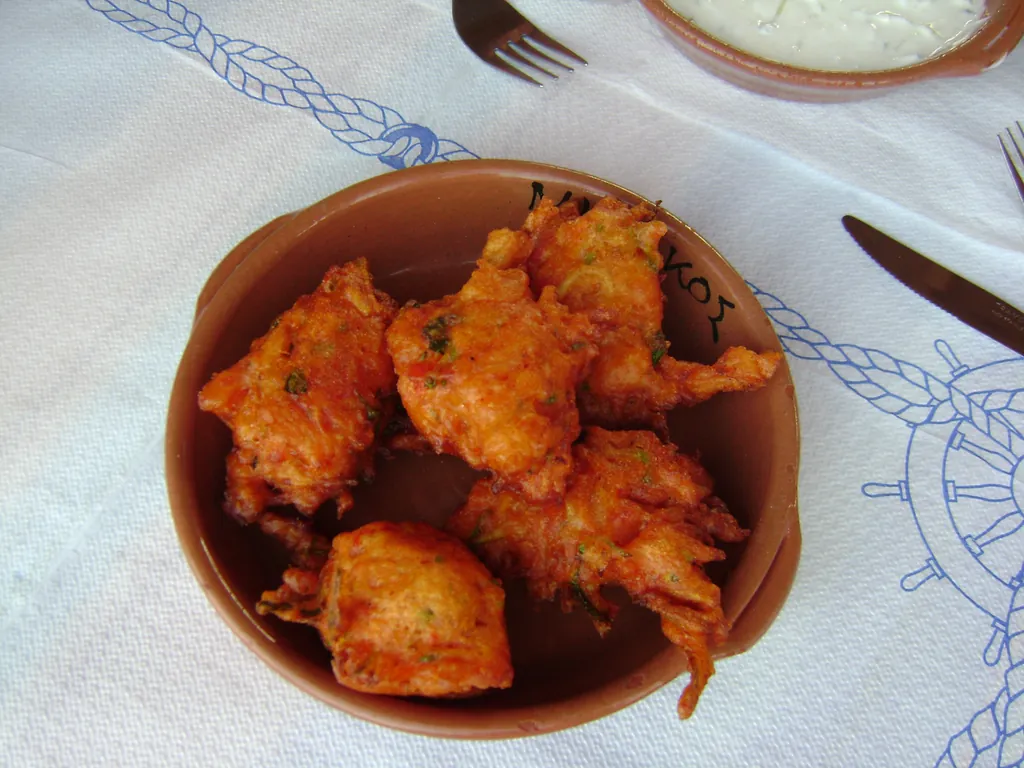
Pitaroudia. If one dish says “Rhodes”, it is this. Greece’s official tourism site calls them “the famous Rhodian pitaroudia”, chickpea balls with mint. The Municipality of Rhodes describes them as a fried starter made with chickpeas, onion and tomato. Recipes vary from village to village and family to family, but they are always crisp outside and soft inside, and best eaten hot as a meze with a cold drink.
You will find pitaroudia on the menu at traditional tavernas across the island. Order a plate for the table.
Which other traditional Rhodian dishes should you try?
Lakani
A celebration dish of meat with wheat, slow-cooked in the oven in a lidded clay pot called a lakani. The Municipality of Rhodes lists beef, goat or lamb versions. Traditionally it went into a wood-fired oven overnight, with the door sealed with mud. It is usually made at Easter in several villages, and Lindos has its own tradition: on the eve of the feast of the Holy Apostles, every household made lakani, in a version without chickpeas.
Giaprakia
The Rhodian take on stuffed vine leaves: leaves wrapped around minced meat and rice, with coarsely chopped meat as the local signature. Food writers note that Rhodian cooking uses more cumin than anywhere else in Greece, and some island versions use bulgur wheat. If you like dolmades, compare these with the versions you know.
Matsi
Handmade pasta, cooked with plenty of cheese and fresh butter, according to the Municipality of Rhodes. It may be served with lentils, chickpeas or beans. It is simple, filling country food, and well worth trying if you see it on a menu in the villages.
More village dishes
Greece’s official tourism site also lists dolmades wrapped in cyclamen leaves, known as kamilakia, karavoli (snails) cooked with bulgur or cumin, and goat cooked in a clay pot. Look out for these on handwritten specials boards in mountain villages.
Symi shrimp
From the neighbouring island of Symi come tiny shrimp that are fried and eaten whole, shell and all. Greece’s official tourism site calls them the ultimate meze for ouzo or wine. If you take a day trip to Symi, order a plate in the harbour.
What sweets is Rhodes known for?
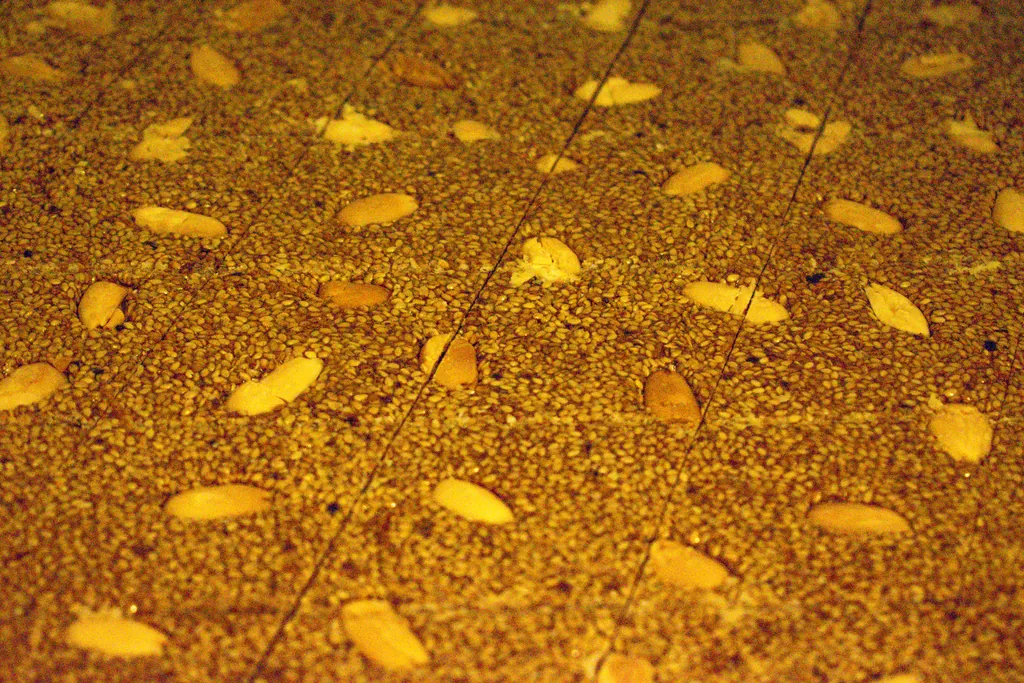
Melekouni is the island’s great sweet. It is made from honey and toasted sesame, with almonds, spices such as cinnamon, nutmeg or clove, and sometimes citrus, and is cut into small diamonds. Its name joins two words: meli, honey, and kounni, the Rhodian dialect word for seed.
Melekouni is more than a snack. In 2017 it was registered by the European Commission as a Protected Geographical Indication, under Implementing Regulation (EU) 2017/2363. The rules require at least 40 percent honey and 40 percent sesame, and production only on the island of Rhodes. The registration describes it as the treat par excellence of the Rhodian wedding: in some villages, it was cut and offered to guests after the ceremony.
Look for it in bakeries and food shops on the island; it makes a perfect edible souvenir. Also look for mantinades, crisp fried pastries with honey.
What should you drink on Rhodes?
Rhodes wine
Rhodes has a long winemaking tradition and its own protected designations. Under PDO Rhodes, the leading white grape is Athiri and the leading red is Mandilaria, which islanders call Amorgiano. Athiri is concentrated on the slopes of Mount Attavyros, around villages such as Embonas, Siana and Monolithos. PDO Muscat of Rhodes, established in 1971, covers sweet Muscat wines.
Rhodes is also known for sparkling wine. The CAIR winery was founded in 1928 by a group of Italian investors and is one of the island’s best-known producers. A drive to the wine villages on the slopes of Attavyros makes a lovely day out; our day trips from Lindos guide includes the route.
Souma
Souma is the island’s traditional spirit, distilled from grape pomace, the skins and seeds left after pressing. Greece’s official tourism site says it is made mainly in the mountain villages of Embonas and Siana, and that distilling begins in late September, straight after the harvest. Sip it slowly, with a little meze on the side.
What local produce should you look for?
- Olive oil. “Rhodes” olive oil is registered by the EU as a Protected Geographical Indication.
- Honey. The Municipality of Rhodes notes that honey from Rhodes and the South Aegean wins international awards year after year.
- Cheese. Look for local cream cheese, Rhodes gruyère and goat’s cheese, sold in villages such as Archangelos, Embonas, Apollona and Siana.
When do people eat, and how do you order?
Greek meals run later than in much of northern Europe. Lunch is often around 14:00 and dinner around 21:00, especially in summer. Tavernas in tourist areas serve from early evening, so you can eat earlier if you prefer.
The best way to eat is to share. Order several meze dishes for the table, add a salad and a main or two, and keep ordering as you go. Tipping is not compulsory, but rounding up or leaving around 5 to 10 percent for good service is common, and cash is easiest for staff.
How do you start the day the Rhodian way?
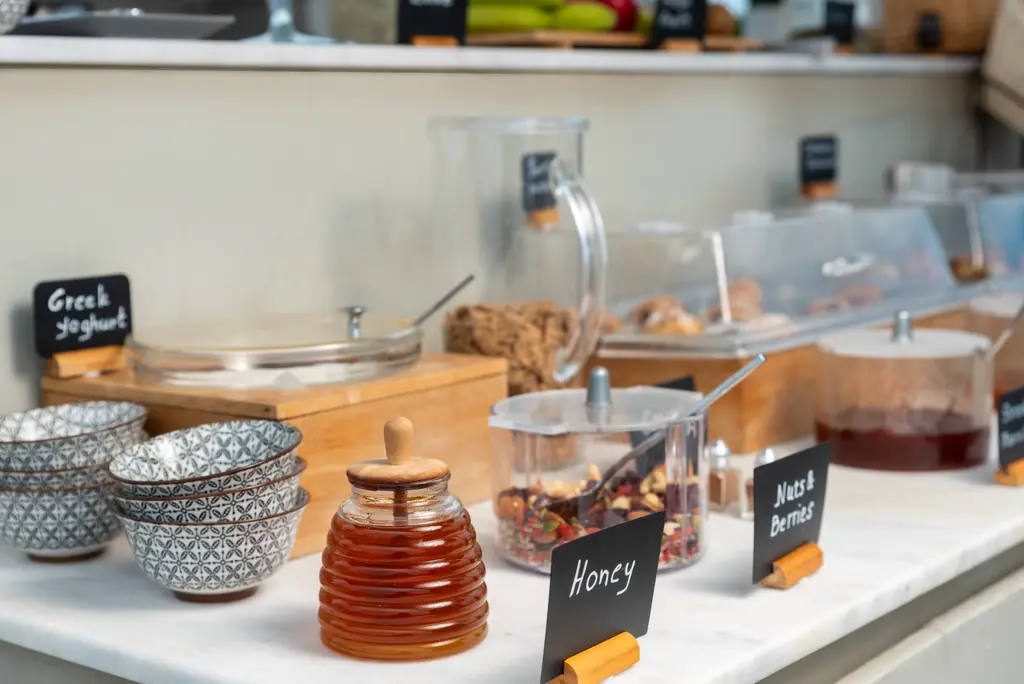
With a proper Greek breakfast. Ours is prepared each morning with local ingredients: local coffee, loose-leaf tea, orange juice squeezed in the morning, Greek yoghurt and honey. It is served in the breakfast room, or brought to your suite or terrace if you prefer. Read more about Greek breakfast traditions.
Eat well in Lindos
Lindos is a wonderful place to eat: rooftop dinners under the Acropolis, simple tavernas in the lanes and fresh fish by the bay. Staying in the village means you can walk to dinner and stroll home under the stars. Ask our reception team to book a table at one of the village tavernas for you.
Lindos Comfy Suites has 21 suites with COCO-MAT beds, Greek breakfast every morning and the main square a quiet five minutes’ walk downhill. See the suites or check your dates and book direct at comfysuitesrhodes.com. For more ideas, see our 15 best things to do in Lindos.
Frequently asked questions
What food is Rhodes famous for?
Pitaroudia, fried chickpea fritters often flavoured with mint, onion and tomato, are the island's best-known dish. Rhodes is also known for lakani, giaprakia, matsi pasta, the honey and sesame sweet melekouni, and its wines.
What is melekouni?
A traditional Rhodian sweet of honey and toasted sesame, with almonds and spices, cut into diamond shapes. It is protected by the EU as a Protected Geographical Indication, which means it can only be made on Rhodes, and it is the classic treat at Rhodian weddings.
What is souma?
A clear spirit distilled from grape pomace, made mainly in the mountain villages of Embonas and Siana. Distilling starts in late September, straight after the grape harvest.
Does Rhodes produce wine?
Yes. Rhodes has its own protected wine designations, including PDO Rhodes and PDO Muscat of Rhodes. The main grapes are the white Athiri and the red Mandilaria, known locally as Amorgiano, and the island is well known for sparkling wine.
What time do people eat dinner on Rhodes?
Later than in northern Europe. Lunch is often around 14:00 and dinner around 21:00, especially in summer, though restaurants in tourist areas serve from early evening.
Should you tip in restaurants on Rhodes?
Tipping is appreciated but not compulsory. Rounding up, or leaving around 5 to 10 percent for good service, is common, and cash tips are easiest for staff.